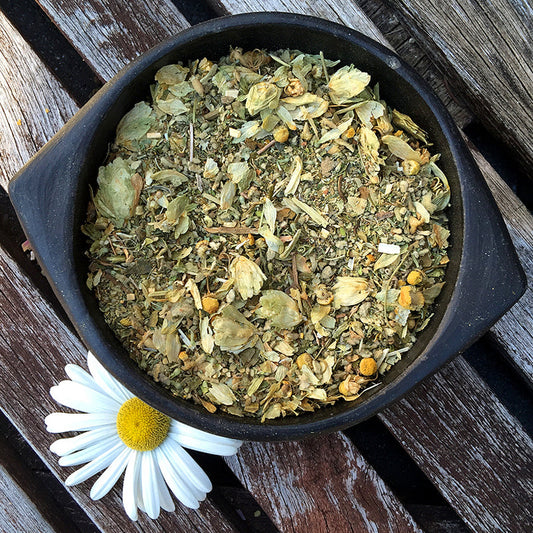
Collection: Relaxation Blends for Intentional Rest

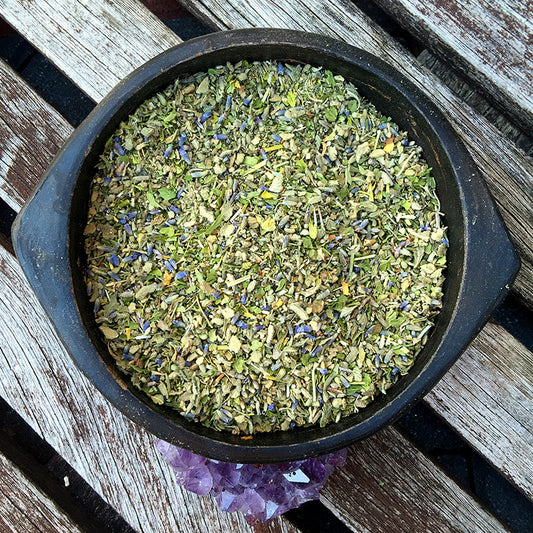
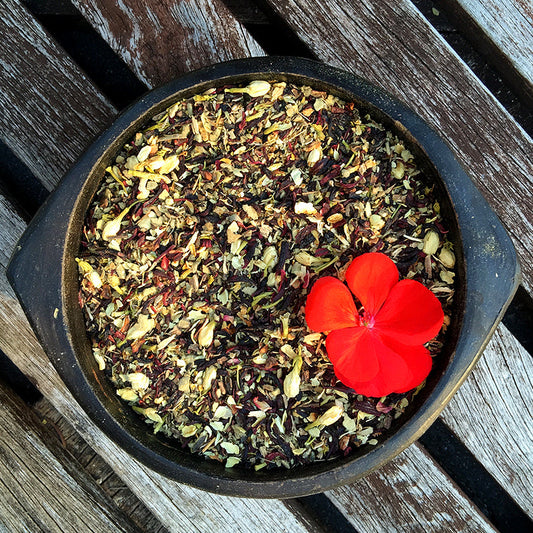
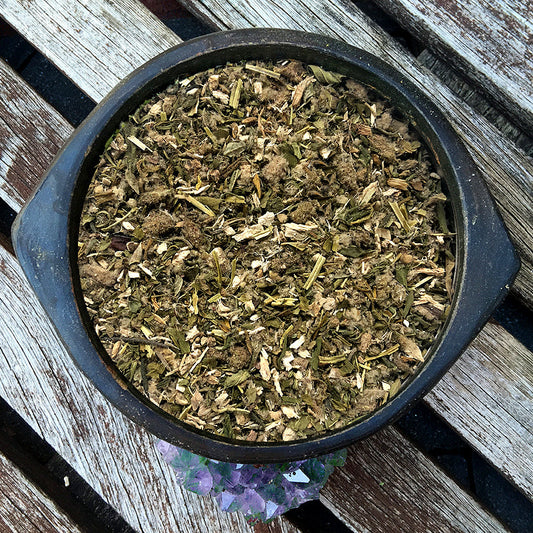
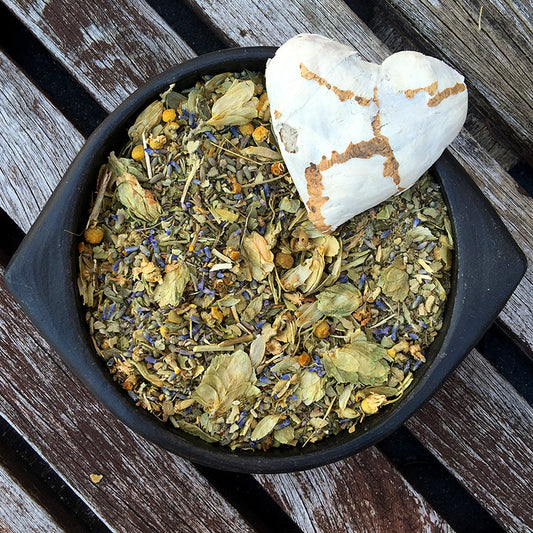
Amid the pace of everyday life, creating moments to slow down has become an intentional practice. This collection of blends brings together botanical plants selected for unwinding, reflection, and surrender. Built around aromatic and sensory profiles traditionally associated with ease and slowing down, these blends support quiet pauses and end-of-day rituals.

  • Evening & Unwinding Blends

    Intentional relaxation rituals offer space to soften, reflect, and reconnect—inviting stillness rather than demanding it. These blends are shaped by long-standing cultural relationships with plants often chosen for evening and unwinding practices, including botanicals such as Lavender, Hops, and Skullcap. Each blend carries a distinct aromatic experience, allowing individuals to respond to their own rhythm rather than push through fatigue or distraction.

  • Integrating Relaxing Blends

    Many people incorporate relaxation blends into end-of-day routines, quiet pauses, or personal rituals of rest. They are commonly explored through tea ceremonies, aromatic experiences, or moments of intentional release that help create boundaries between doing and being. For deeper context on the plants, traditions, and symbolism behind these blends, read our Relaxation Guide or explore all our guides.

FAQ

How is the Relaxation Collection different from the Meditation Collection?

Relaxation blends are often chosen for unwinding and easing transitions, while Meditation blends are designed to support stillness, focus, and contemplative practices.

What moments are Relaxation blends best suited for?

Relaxation blends are commonly used during end-of-day routines, quiet pauses, or moments when slowing down and reconnecting feels supportive.

Can Relaxation blends be part of a daily routine?

Yes. They are often incorporated into daily rituals as a way to mark transitions, create boundaries, and invite rest into everyday life.

How do people typically use Relaxation blends?

Many explore them through tea rituals, aromatic experiences, or personal practices that invite stillness and release, allowing space to respond to their own rhythm.